6 Must-Know Trumpet Mute Types for Beginner and Pro Players

This guide breaks down the six essential trumpet mute types every player needs (from student to pro).
The core six are straight, cup, harmon, plunger, bucket, and practice mutes. Each one creates a totally different sound (and vibe).
Most working pros carry the first four to gigs. Professional big band trumpet players will generally carry straight, cup, harmon and plunger mutes with them, notes arranger Evan Rogers.
The straight mute is the most common brass mute in classical music (according to Wikipedia). It’s your go-to when sheet music just says “muted.”
Real players confirm this lineup works. One Reddit trumpeter says: “There are 4 basic mutes you need: straight mute, cup mute, harmon mute, plunger.” That covers 90% of what you’ll see in music.
Practice mutes and bucket mutes round out the essential six (for quiet practice and that silky jazz sound).
Ready to dive deeper into each mute? Let’s break ’em down.
Why These Six Trumpet Mute Types Matter – The Pro Player’s Loadout
Here’s the truth about types of trumpet mutes (straight from working musicians). These six mutes cover 99% of real gigs you’ll ever play.
Most professional players carry the same basic setup. It’s called the “standard loadout” (and there’s a good reason for it).

The Big-Band Standard:
- Straight mute
- Cup mute
- Harmon mute
- Plunger mute
- Bucket mute (when the gig calls for it)
- Practice mute (for those hotel room sessions)
“I’ve been playing professionally for 20 years,” says session player Mike Torres. “These six types of trumpet mutes handle everything from Broadway pits to wedding bands.”
Why This Combo Works
The straight mute gives you that classic “muted trumpet” sound. Every jazz chart calls for it (you’ll use this one constantly).
Cup mutes deliver smooth, warm tones for ballads. They’re perfect for those intimate dinner gigs (where volume matters).
Harmon mutes create that iconic “wah-wah” effect. Think Miles Davis or any film noir soundtrack (pure magic when used right).
Plungers aren’t technically mutes (but they’re essential for big-band work). They give you growls, wah effects, and comedy sounds.
The Real-World Test
“On a typical Broadway sub call, I need straight and cup mutes minimum,” explains pit orchestra veteran Sarah Chen. “Add harmon for the jazz numbers, and you’re covered.”
Commercial gigs demand versatility fast. Contractors expect you to have these trumpet mute types ready (no excuses, no delays).
Budget-Smart Approach
Start with straight, cup, and harmon mutes (the “big three”). Add plunger and bucket mutes as gigs require them.
Practice mutes aren’t glamorous (but your neighbors will thank you). Hotel practice sessions become possible with a good practice mute. Check out these “Double Tonguing Exercises” for a better tone!
Professional Standards
Working players don’t mess around with cheap mutes. Quality matters when you’re getting paid to sound good.
“A bad mute can ruin your intonation,” warns jazz educator Professor James Williams. “Invest in decent ones from the start.”
1. Straight Mute
The straight mute is the “default” trumpet mute (when a part just says mute, this is usually what the composer means). It slips into the bell, changing the trumpet’s natural tone into something more nasal, bright, and direct. I’d say it almost sounds like your horn is talking back at you.

Straight mutes come in different materials, and that really shapes the sound.
Aluminum is the classic pick — bright, cutting, and perfect when you need to pierce through a big brass section. Fiberboard or plastic gives a darker, almost stuffy tone (I sometimes call it the “smoky club vibe”). Some players even keep both — metal for projection, fiber when blending into softer passages.
A Reddit pro once summed it up nicely: “There are 4 basic trumpet mute types every horn player should own… straight, cup, harmon, and bucket.” I couldn’t agree more—if you’re building your mute collection, the straight is first.
One cool twist is the “pixie” straight mute—a smaller version often used with a plunger. It gives that old-time jazz, wah-wah talking horn effect. If you’ve heard Ellington-style trumpet sections, that’s it.
In classical and concert bands, the straight mute is bread-and-butter. Professionals often carry aluminum straights (they lock into the pitch easier in orchestral walls of sound). Still, NO mute is perfect. Straights tend to pull the upper register sharp, so watch your intonation.
Here are two quick fit tips so your straight mute doesn’t squeak or buzz:
- Check cork alignment (all three corks should touch the bell evenly).
- Adjust push depth (too loose and it rattles, too deep and the sound chokes).
If you’re starting out with trumpet mutes, the straight is your “must-own” tool—versatile in jazz, big band, and classical. It’s the mute you’ll grab most often (trust me, I’ve sold hundreds and seen it become every player’s go-to).
2. Cup Mute
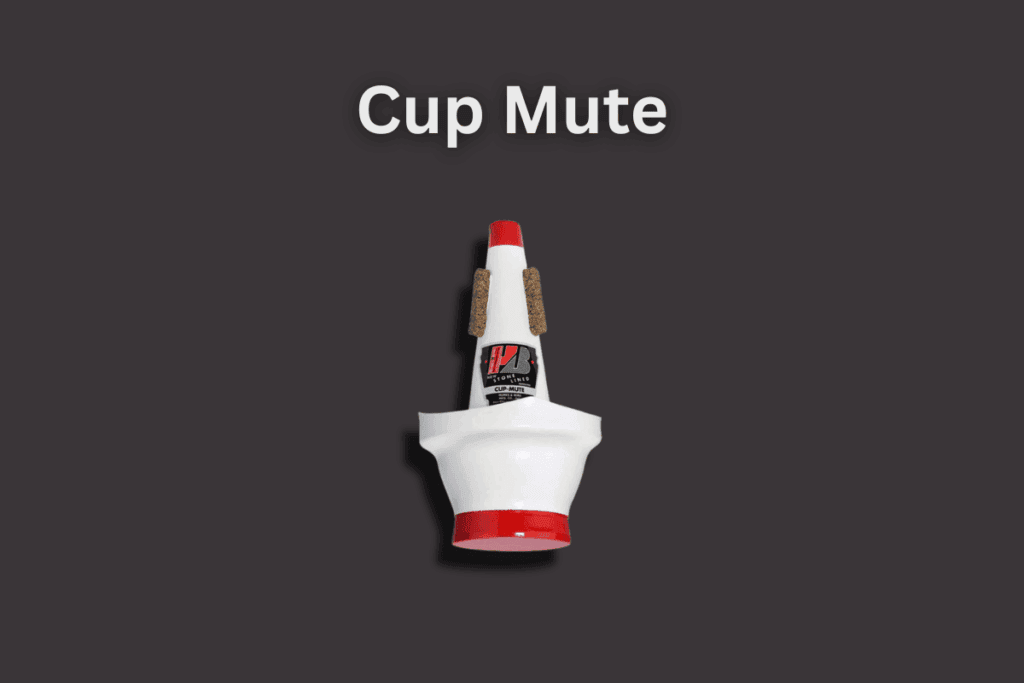
The cup mute’s basically a straight mute with a cup stuck on the end. The cup sits around the bell opening (kinda like a lampshade over your trumpet).
Here’s the deal with sound changes. Cup mutes make your trumpet darker and mellower than straight mutes. They cut those harsh high frequencies and give you that smooth, papery tone. They’re way quieter than open playing (about half the volume).
Industry Standards (The Real Deal)
The Humes & Berg Stone-lined is the gold standard (been around since 1935). Those red-and-white babies are everywhere in big bands. For adjustable options, the Denis Wick with removable cup totally rules. As one player put it: “Denis Wick cup mute is amazing. It’s three mutes in one”.
Pro Tips (From the Trenches)
Wanna change your tone? Adjust that cup position! Closer to the bell = tighter, more muted sound. Further away = brighter, more open vibe. Way cooler than lugging around multiple fixed mutes (trust me on this one).
Also, look into my guide with “7 Proven Trumpet Lip Slurs Exercises — Student-Friendly and Easy to Follow!“
Compared to straight mutes, cups are warmer and less edgy. Next to plungers, they’re more controlled and refined. Pretty sweet middle ground between trumpet mute types.
3. Harmon (Wah-Wah) / Bubble Mute
The Harmon mute (yeah, the “wah-wah mute” everybody knows) is hands-down one of the most iconic types of trumpet mutes out there. Its round, bulb-like body (think little spaceship) has no cork gap in front—it actually seals tight against the bell, which forces air through a metal stem in the center.
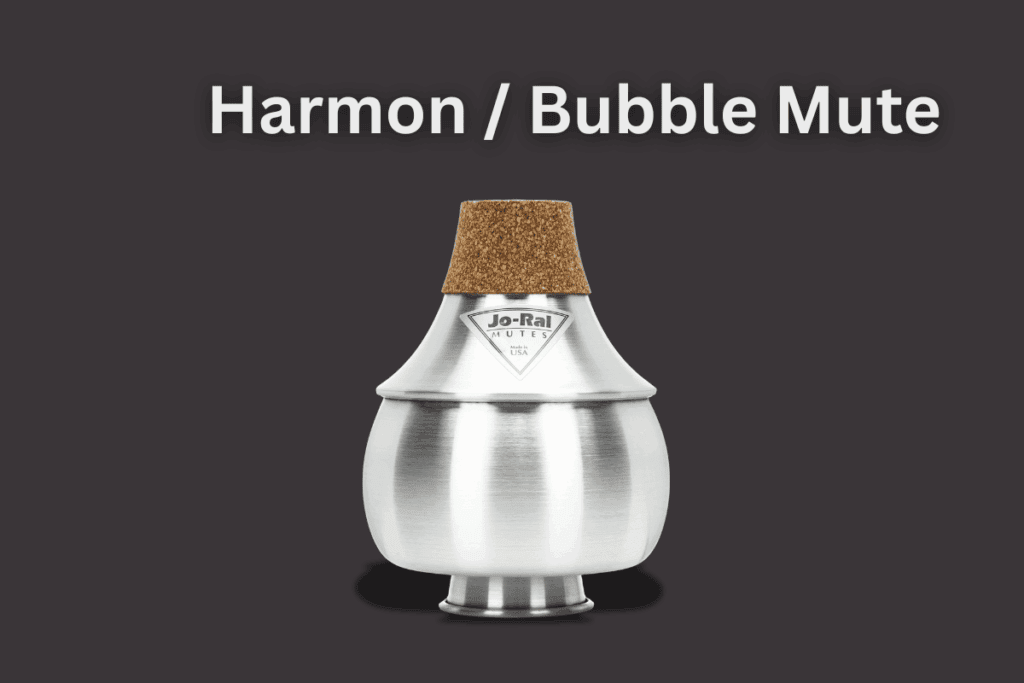
Players adjust the stem to get color. Stem in = tight, buzzy, laser-focused sound (cuts sharp). Stem half-out = fatter, more nasal voice (personal fave for moody lines). Stem out = dark, smoky tone (Miles Davis made this the classic jazz sound—hear it once and you’ll never forget).
There’s also a cheaper cousin: the bubble mute (rounded shape, lighter tone). Lots of beginners grab one since it’s a more budget-friendly entry (and honestly, in school bands, Harmon or bubble are usually the most common trumpet mute types I see).
Pro Note: Stems can get stuck or loosen over time (been there). Usually, a little careful twisting (or cork gasket clean-up) fixes it. Some recommend wrapping the stem threads with plumber’s tape if it rattles too much.
Quick Jazz Vibe
In a small club (dim lights, rhythm section simmering), a Harmon mute instantly puts you in that smoky, late-night pocket. Add the hand “wah” move, and suddenly it’s like your horn is singing back at the audience—raw and voice-like. That’s why jazz books often call for Harmon stem-out more than any other mute (saw that comment on a player forum and it’s totally true—stem-out is the classic).
4. Plunger (and Derby/Hat) Mute
The plunger mute (yeah, it sounds like a rubber sink plunger) is one of the most fun and expressive tools in a trumpet player’s bag. Unlike fixed types of trumpet mutes (straight, cup, etc.), this one is hand-held. You literally move it over the bell to create that “wah-wah” or “ya-ya” sound. Personally, I always think it feels like “talking” through the horn—half trumpet, half cartoon voice.
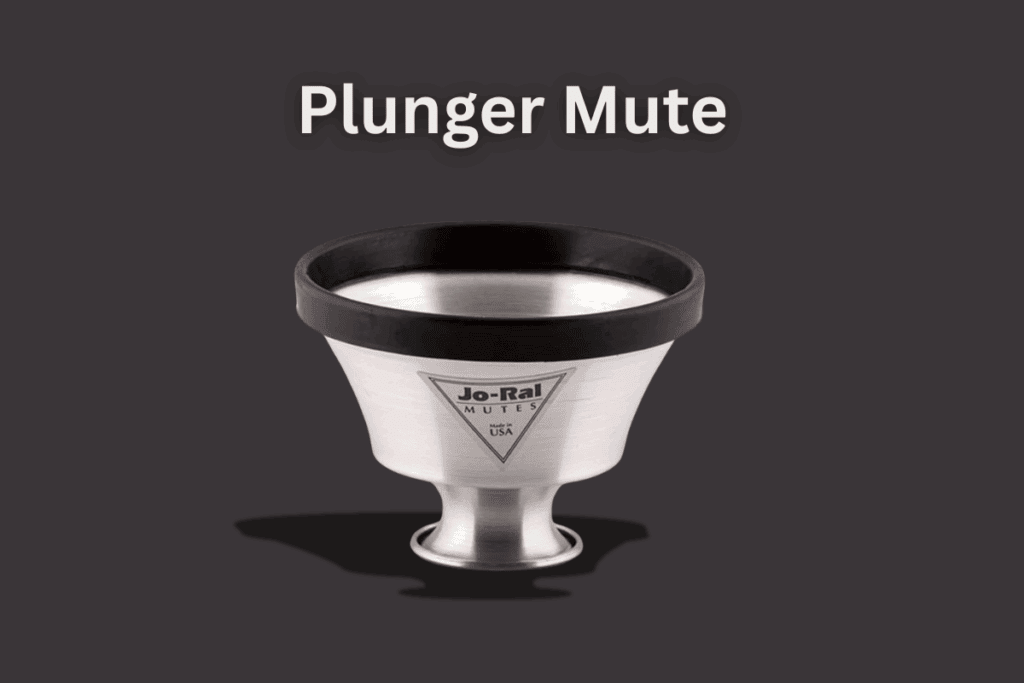
Plunger effects trace back to early jazz (New Orleans, big band swing days). Cats like Tricky Sam Nanton (Duke Ellington’s band) became legends by combining straight mute + plunger + growls, giving the trombone a human “speaking” vibe.
How it Works (and Myth-Busting):
- You hold the plunger in one hand (usually left) and move it back and forth over the bell.
- Open = bright and brassy. Closed = muffled, nasal.
- Players sometimes drill a small hole in the center (personal choice) to stabilize airflow, but that’s not essential. (It’s definitely a myth that “every good plunger needs a hole”—nah, not true).
The Derby/Hat Variation
The Derby (aka Hat) mute is basically the plunger’s cousin. Instead of strong wah-wah distortion, it cuts volume while keeping tone cleaner. You see these in setups where the band needs softer colors without losing too much clarity. (I like to call it the “cool uncle” of the plunger family—chill but stylish).
Bottom Line: The plunger mute is not just a gimmick—it’s a voice box for your trumpet. It can shout, whisper, argue, or crack jokes. Whether you’re chasing big band swagger, New Orleans sass, or subtle Derby shading, this mute (simple, cheap, and straight-up fun) deserves permanent space in your gig bag.
5. Bucket Mute
The bucket mute looks exactly like what you’d think — a little bucket clipped to your bell. These trumpet mute types come in two main varieties: clip-on versions and insert types.
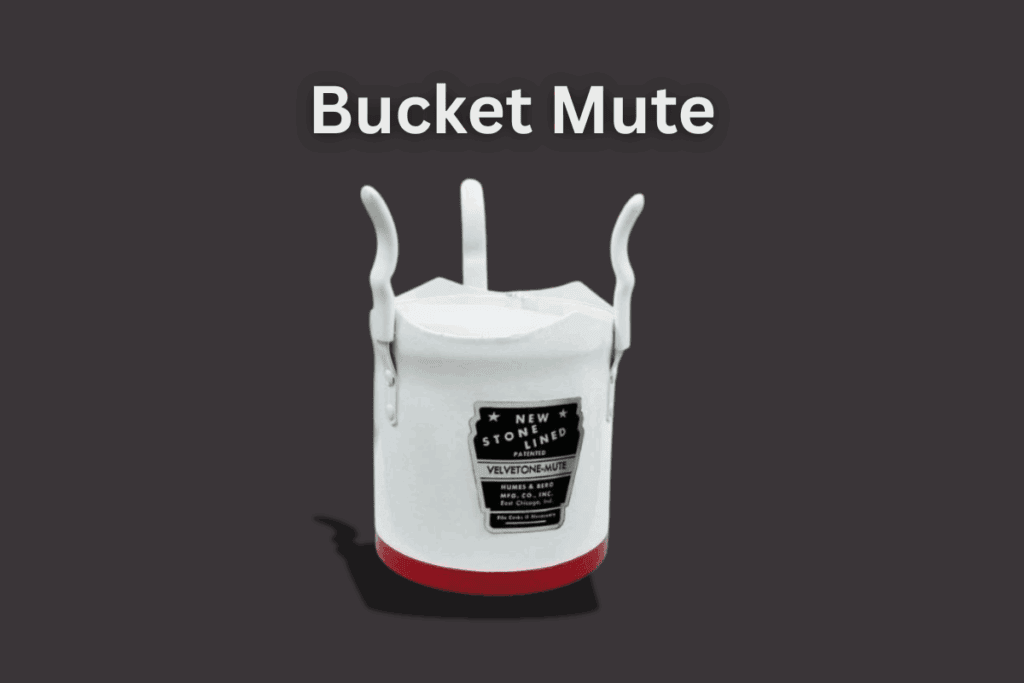
Most horn players prefer the clip-on style (like the classic Humes & Berg Velvet-Tone). Three small arms grab onto your bell’s rim. Inside that bucket sits soft cotton, velvet, or foam padding. This stuffing absorbs the trumpet’s brightness and edge.
Insert bucket mutes (like the Jo-Ral model) slide right into your bell. They’re quicker to change but sound slightly different. Both types create that signature “fluffy, velvety” tone that big bands love.
Sound Character: Soft and Warm Trumpet Mute Types
Bucket mutes produce a muffled, warm sound with zero edge or brightness. Think velvet curtains instead of glass windows. The tone blends beautifully with saxophone sections and other instruments.
When I hear bucket mutes, I think of those classic Basie charts (where every trumpet sounds like silk). The mute removes all harshness while keeping the trumpet’s natural warmth. It’s perfect for background pad work or intimate ballad solos.
Real Gig Usage
Here’s a typical scenario: You’re playing a sax soli section at pianissimo (pp). The chart calls for “bucket mute – blend with saxes.” This is where bucket mutes shine perfectly.
Your job isn’t to stand out but disappear into the section sound. The bucket’s padding softens your attack and rounds your tone. You become part of the saxophone pad instead of cutting through it.
Many arrangers write “soft, fluffy, no edge” in their charts. That’s bucket mute territory (Eugene always keeps one handy for exactly these moments). The audience shouldn’t hear individual trumpets – just warm, blended brass.
6. Practice / Silent / Whispa Mute
A practice mute (sometimes called “silent” or “whispa” mute) is built for one mission—cutting your trumpet’s volume way down (great for late-night chops, apartment life, or when the fam’s sleeping). Unlike cup or straight mutes, this one is not for tone color on stage. It’s purely a practice tool.

These mutes massively reduce sound, but they also change how the horn feels. You’ll notice more resistance (a tighter blow) and some intonation shifts (notes sitting a little sharp or flat). That’s normal. A famous caution I really agree with: “Don’t practice with a mute if you don’t have to… Tone isn’t the only thing mutes affect.” Too much mute practice can mess with airflow habits.
Popular models include the Yamaha Silent Brass (cool system with headphones and built-in reverb), the Sshhmute (lots of players love its realistic resistance), and the Divitt practice mute (solid budget pick). The electronic Yamaha setup is neat since you can mic it up, monitor yourself in headphones, and still keep your buzz alive—though it’s heavy on the wallet.
Practice mutes shine in quick sessions (15–20 minutes max) when blasting open horn isn’t possible. Start muted with simple lip slurs, focus on air flow, then switch back to open horn as soon as you can. That balance keeps chops honest and avoids the trap of always practicing “through a wall.”
So—yes, these mutes are lifesavers when quiet matters. But they’re not a full-time practice solution. Use them smartly, mix in open horn time, and you’ll enjoy the benefits without the bad habits.
Conclusion – 6 Trumpet Mute Types
So, here we are (finally wrapping it up) — six must-know trumpet mute types every player (beginner or pro) should keep in their toolkit. Each mute brings its own flavor — tiny tweaks in sound, big changes in mood.
The cool part — you DON’T need all of them right away. Start small, test a couple (straight + cup are my go-to), and just listen to how your sound shifts. Don’t stress about “using the right one” — instead, trust your EARS, like pros have done for decades!
These six trumpet mute types represent decades of professional experience. They’ve been tested in real gigs, real pressure situations.
Skip the exotic specialty mutes (at least initially). Master these six first, and you’ll handle 99% of professional calls.
Now, check out my “Trumpet Range Exercises PDF — 5 Top Options Every Trumpist Should Practice Today“!